
Guide to Exterior Doors: Costs, ROI, Materials, and What to Know Before You Replace
Quick summary: Replacing an exterior door can deliver strong ROI while improving energy efficiency, security, and curb appeal. Costs vary widely by material, with steel, fiberglass, and wood each offering different benefits, lifespans, and maintenance needs. Choosing the right door and ensuring proper installation directly impact long-term performance and home value.
Replacing your front door seems straightforward until you start comparing options. There are three main materials, a wide range of glass configurations, dozens of hardware choices, and price points that can vary by thousands of dollars.
On top of that, exterior door replacement ROI consistently ranks among the strongest returns in exterior remodeling, which means getting this decision right has real financial implications.
This guide covers what homeowners in the mid-Atlantic region need to know before they replace an exterior door, including material comparisons, cost breakdowns, energy efficiency factors, and what to watch out for during installation.
Exterior Door Replacement ROI: What Homeowners Can Expect
When you're weighing any home improvement project, the financial return matters. Exterior doors hold up well by that measure. Most homeowners can expect an average ROI between 60% and 75%. Steel entry doors frequently lead the category because of how their cost stacks up against their resale contribution.
The financial return doesn't stop at resale value. A new door also delivers measurable energy savings and reduces the security vulnerabilities that come with aging frames and worn hardware.
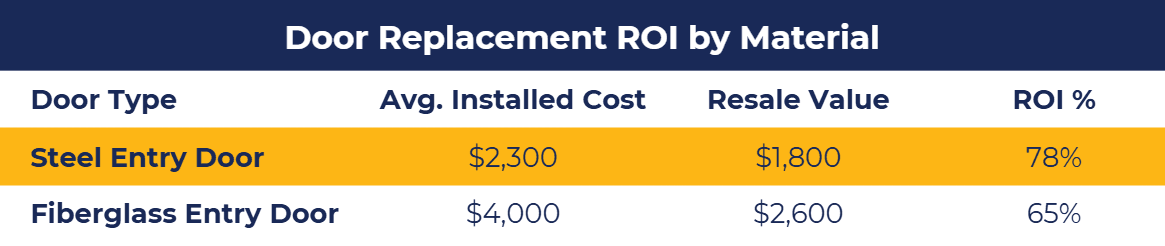
Source: Zonda/JLC Group 2025 Cost vs. Value Report
Many homeowners are surprised to find that exterior door replacements often outperform interior upgrades like new flooring or a kitchen refresh in terms of cost recovery. The combination of visible impact and measurable efficiency gains makes entry doors a reliable place to start.
Why Your Entry Door Affects More Than You Might Expect
Your front door does real work. It manages heat transfer, resists forced entry, handles weather exposure every single day, and shapes the first impression anyone has of your home.
When a door starts to fail in any of those areas, you see it in your energy bills, your comfort, and eventually your resale price.
Energy Efficiency and Indoor Comfort
Modern doors use foam-filled insulated cores that reduce heat transfer significantly compared to older solid wood or hollow-core construction. Tight weatherstripping seals the edges and keeps conditioned air inside where it belongs.
In the mid-Atlantic climate, where summers are humid and winters can be harsh, that sealing performance makes a real difference on your utility bills.
Security and Structural Protection
Your entry door also plays a critical role in protecting your home. Modern systems are built with stronger materials and smarter locking mechanisms designed to hold up against both everyday use and potential break-in attempts.
Key upgrades to look for include:
- Reinforced frames. Stronger frames resist forced entry in ways that older wood frames simply can't match.
- Multi-point locking systems. These distribute force across the door rather than concentrating it at a single latch point, which makes them substantially harder to breach.
- Impact-resistant cores. Many steel and fiberglass doors include reinforced cores that add rigidity and reduce the risk of forced damage.
- Heavy-duty hinges and hardware. Upgraded hinges and strike plates improve overall door stability and prevent sagging or kick-in vulnerabilities.
Many of these features are standard in premium door systems like ProVia, which are engineered as complete entry systems rather than standalone components.
Curb Appeal and First Impressions
Performance matters, but your front door also carries visual weight.
Your entry door sits front and center on your home's facade, and buyers notice it before they notice almost anything else. A well-chosen door color can lift the entire exterior.
Decorative glass and upgraded hardware create a more finished, intentional look that signals the home has been well maintained.

Steel vs Fiberglass vs Wood: Exterior Door Materials Compared
The material you choose shapes your door's durability, maintenance requirements, appearance, and long-term cost. Each option serves a different set of priorities.
Steel Exterior Doors
Steel doors offer a strong combination of security and affordability. They resist warping and hold up well in changing temperatures, which makes them a practical choice for homes that prioritize performance over aesthetics. Their consistently high ROI reflects how well they balance upfront cost against long-term value.
Fiberglass Exterior Doors
Fiberglass resists warping, cracking, and moisture damage better than any other material. Many styles replicate a natural wood grain convincingly without the maintenance demands that come with real wood. If longevity with minimal upkeep is the priority, fiberglass is the right call.
Wood Exterior Doors
Wood offers a traditional appearance, but it requires ongoing maintenance to protect against moisture, warping, and weather damage. Regular sealing or painting keeps moisture damage at bay, and without that upkeep, wood doors deteriorate faster than steel or fiberglass.
For most homeowners, fiberglass doors offer the best balance of durability, energy efficiency, and low maintenance. Fiberglass resists warping, cracking, and moisture damage better than any other material, while offering wood-look finishes without the ongoing maintenance.
Exterior Door Replacement Cost Breakdown
Understanding what drives cost helps you plan realistically and compare quotes without getting surprised after installation begins. [replace to eliminate “understanding” intro]
Average Cost Ranges by Material
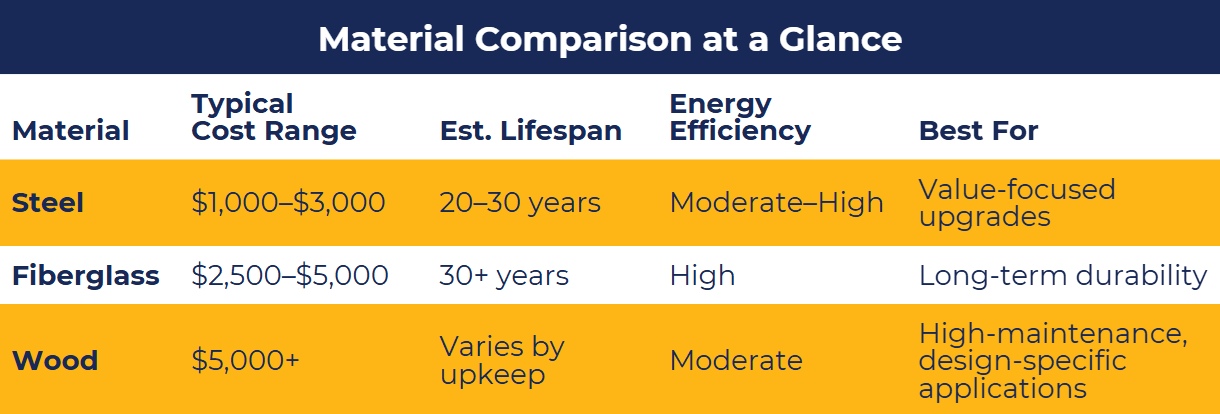
- Steel doors. Typically run $1,000 to $3,000 installed, making them the most accessible option for homeowners focused on value.
Fiberglass doors. Usually fall between $2,500 and $5,000 depending on style and glass configuration.
Wood doors. Often exceed $5,000, particularly when custom sizing or decorative detailing is involved.
What Drives the Final Price
Material selection accounts for the largest share of cost, but several other factors can move the number significantly.
- Glass inserts. Decorative or privacy glass adds both visual appeal and expense. Full-light designs cost more than solid panels.
- Hardware upgrades. Premium locks and handles can add several hundred dollars to the total.
- Custom sizing. Non-standard openings require additional labor and materials, which raises the installed price.
- Frame repairs. Damaged framing discovered during installation has to be replaced before the new door goes in.
Professional installation adds to the upfront cost, but it protects against the drafts, leaks, and alignment problems that show up when doors are improperly fitted. Cutting corners on installation typically costs more in the long run.
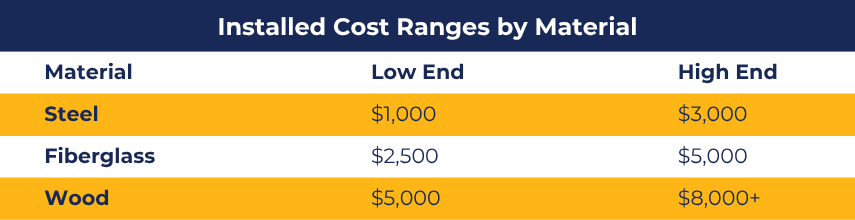
Source: Zonda/JLC Group 2025 Cost vs. Value Report
Energy-Efficient Exterior Doors: What to Look For
Energy performance is more than a selling point. In a climate that runs from humid summers to cold winters, a well-sealed door pays for itself through lower heating and cooling costs over time.
Here’s why
- Insulated core construction. Foam-filled cores reduce heat transfer substantially compared to hollow or uninsulated doors. Look for this as a baseline feature, not an upgrade.
- Weatherstripping and seal quality. Tight seals around the door frame prevent air leakage. Ask specifically about seal construction during your consultation.
- ENERGY STAR® ratings. The U-factor measures how well the door insulates, with lower numbers indicating better performance. Solar heat gain coefficient (SHGC) matters if your door faces direct sunlight.
- Low-E glass coatings. These coatings reflect heat while allowing light to pass through. Paired with double or triple-pane glass, they significantly improve the door's overall thermal performance.

How Long Exterior Doors Last
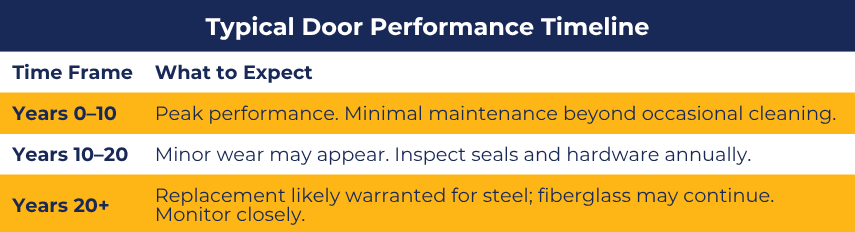
A door's lifespan depends on material, installation quality, and how much punishment it takes from weather and daily use. When you know what to expect, you can plan and recognize when replacement is genuinely necessary.
Lifespan by Material
- Steel doors. Typically last 20 to 30 years with normal maintenance.
- Fiberglass doors. Often exceed 30 years with minimal upkeep, making them the longest-lasting option in most climates.
- Wood doors. Lifespan varies considerably depending on finish maintenance and exposure. A well-maintained wood door can last decades; a neglected one can show serious deterioration within 10 years.
Signs It's Time to Replace Your Exterior Door
Some problems are easy to dismiss, but they often signal that a door has reached the end of its useful life:
- Drafts around the edges. Air leaks around the frame mean the seal has failed, and your HVAC system is compensating.
- Difficulty closing or locking. Misalignment that gets progressively worse usually indicates structural movement or frame deterioration.
- Visible damage. Cracks, warping, or rust compromise both security and weather resistance.
- Moisture intrusion. Water getting past the door can damage surrounding framing and walls if it goes unaddressed.
Common Exterior Door Replacement Mistakes
Most door problems don't start with a defective product. They start with a decision made for the wrong reason, such as:
- Choosing based on price alone. Lower upfront cost can lead to higher long-term expenses through reduced efficiency, shorter lifespan, or more frequent repairs.
- Ignoring energy ratings. A door without solid insulation values will affect your comfort and utility bills regardless of how good it looks.
- Skipping warranty review. Warranty coverage varies significantly between manufacturers. Understanding what's covered, and for how long, protects your investment.

Why Installation Quality Matters
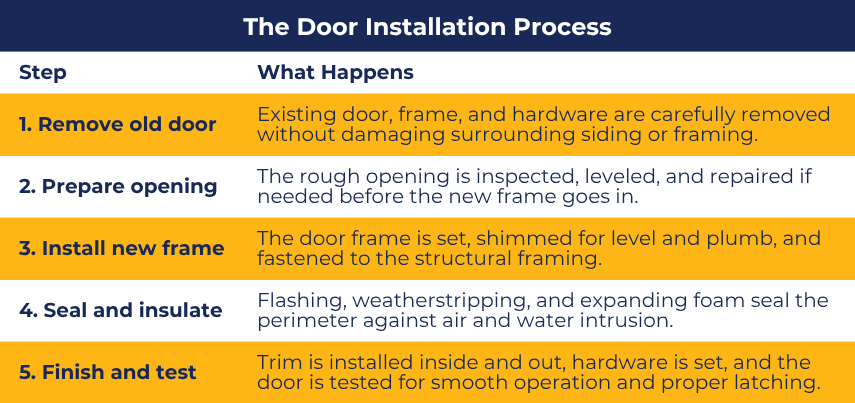
A well-made door installed poorly will underperform a mid-range door installed correctly. Proper sealing prevents drafts. Accurate alignment ensures the door operates smoothly without putting stress on the frame. Structural fit keeps water out of the surrounding framing and walls.
What to Look for in a Qualified Installer
- Certifications and training. These reflect a commitment to standards and product knowledge, not just general construction experience.
- Clear warranty coverage. A contractor confident in their workmanship backs it with a warranty. Ask what's covered and for how long before you sign anything.
- Experience with full-system installation. Doors need to integrate properly with existing siding and framing. An installer who understands the whole exterior system will deliver a better result.
How to Choose the Right Exterior Door for Your Home
Once you understand materials, costs, and installation requirements, the decision usually comes down to which priorities matter most for your situation.
- Best ROI on a budget. Steel doors consistently deliver strong resale performance at the lowest installed cost.
- Lowest long-term maintenance. Fiberglass lasts longer than steel or wood with fewer demands for upkeep.
- Premium appearance. Fiberglass doors can replicate the look of wood while providing better durability and far less maintenance.
Whatever material you choose, prioritize energy performance and installation quality. A door that looks great but leaks air or fits poorly will cost you more over time than the upgrade was worth.
Why Remodel with HomeFix
Exterior door replacement ROI depends on more than the product you select. Installation quality, material performance, and long-term protection all shape the value you get. At HomeFix, we focus on those long-term outcomes.
From professional installation standards to premium door systems like ProVia, installed by our certified team, every detail is built around durability, energy performance, and long-term reliability.
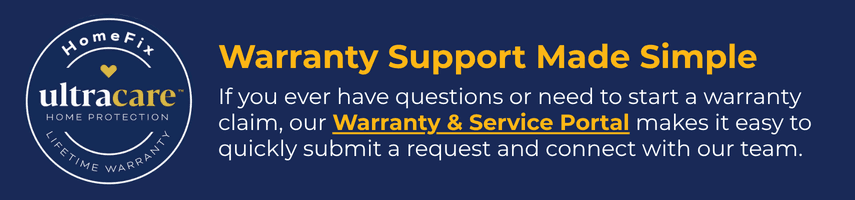
Our UltraCare Lifetime Warranty adds another layer of protection, so you’re covered well beyond installation.
We serve homeowners across Maryland, Virginia, and North Carolina, and we offer free in-home consultations with product samples so you can see your options in the actual lighting of your home.
If you're ready to talk through your entry door options, contact us for a free consultation.
Frequently Asked Questions
What is the ROI of replacing an exterior door?
Exterior door replacement ROI typically ranges from 60% to 75%, with steel entry doors often delivering the strongest returns. According to the 2025 Cost vs. Value Report, steel entry doors recover about 78% of their cost at resale.
How much does a new front door cost?
Most exterior door replacements run between $1,000 and $5,000 [PC3] installed, depending on material and features. Steel doors fall at the lower end of that range, while fiberglass and wood doors carry higher price points.
What is the best material for an exterior door?
Fiberglass offers the strongest combination of durability and low maintenance, often lasting 30 or more years. Steel delivers excellent security and the best ROI for value-focused homeowners. Wood provides premium aesthetics but requires regular upkeep to maintain its condition.
How long do exterior doors last?
Steel doors typically last 20 to 30 years, and fiberglass doors often exceed 30 years with minimal maintenance. Wood door lifespan varies considerably depending on how consistently the finish is maintained.
Do new exterior doors improve energy efficiency?
Yes. Modern exterior doors with insulated cores and tight weatherstripping significantly reduce air leakage, which helps stabilize indoor temperatures and lower heating and cooling costs over time.
What are signs I need to replace my front door?
Drafts around the door frame, difficulty closing or locking, visible warping or rust, and moisture getting past the door are all signs that replacement is warranted. Rising energy bills without another obvious cause can also point to a failing door seal.
Is professional installation necessary for exterior doors?
Yes. Proper installation ensures the door seals correctly, operates smoothly, and holds up against weather over time. Poorly installed doors, regardless of quality, develop performance problems quickly.
Can I see door options in person before I decide?
HomeFix provides free in-home consultations with product samples. Showroom lighting often misrepresents how a door will look in your specific home, so we bring the samples to you for a more accurate comparison.
Contact Us

Monday-Friday: 8am-8pm
Saturday: 9am-5pm
Sunday: Closed
Monday-Friday: 8am-8pm
Saturday: 9am-5pm
Sunday: Closed
Monday-Friday: 8am-8pm
Saturday: 9am-5pm
Sunday: Closed
Monday-Friday: 8am-8pm
Saturday: 9am-5pm
Sunday: Closed
Monday-Friday: 8am-8pm
Saturday: 9am-5pm
Sunday: Closed
*Warehouse location only
Monday-Friday: 8am-8pm Saturday: 9am-5pm Sunday: Closed