

Are Home Remodeling Warranties Transferable?
Quick answer: In many cases, warranties are transferable when you sell a property. The answer depends on the type of warranty and the provider’s policies. Some warranties transfer automatically, while others require paperwork, fees, or specific timing during the home sale.
When you sell a home, do home warranties transfer to the new owner? In many cases, home warranties will transfer when a home is sold, but the rules depend on the provider and warranty type.
Some warranties transfer automatically, while others require paperwork or a fee. Manufacturer warranties for products like roofing or windows may also include specific transfer conditions.
How Home Warranty Transfer Works
When homeowners prepare to sell their property, warranty coverage often becomes an important detail. Buyers frequently want to know whether protection will remain in place after the purchase.
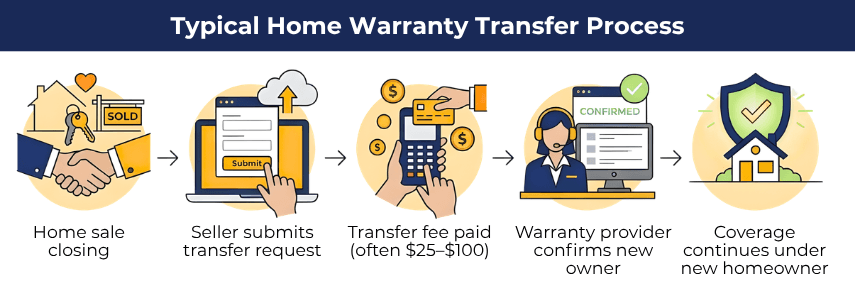
Home warranties can transfer during a sale, but the process depends on the provider and the contract terms.
Some warranties transfer automatically when ownership changes. Others require action from the seller or buyer shortly after closing.
Some of the key factors that influence the process include:
Warranty Provider Policies. Each warranty company establishes its own transfer rules. Some allow a simple ownership change, while others require formal approval.
Transfer Fees. Many providers charge an administrative fee. This fee typically ranges from $25-$100, depending on the company and warranty type.
Documentation Requirements. Homeowners may need to submit paperwork or notify the warranty provider within a specific time window after closing.
Coverage Continuity. When the transfer process is completed correctly, the new homeowner keeps active protection for covered systems or products.
Difference Between Home Warranties and Product Warranties
Many homeowners confuse home warranty service plans with product warranties. The two types of coverage protect very different things.
Understanding the difference helps answer questions like, “Can a home warranty be transferred?” and, “Are manufacturer warranties transferable to a new homeowner?”
These warranties protect different parts of your home:
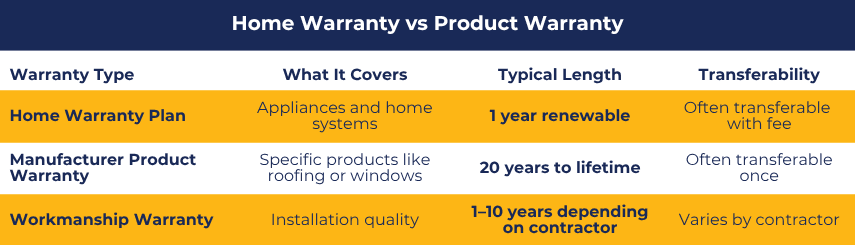
Home Warranty Plans. These service contracts cover systems and appliances such as HVAC units, plumbing, and electrical systems. Coverage usually lasts one year and renews annually.
Manufacturer Product Warranties. These warranties cover specific products such as roofing materials, siding, or windows. Coverage terms often range from 20 years to lifetime protection, depending on the product.
Workmanship Warranties. Contractors may offer installation guarantees that protect against problems caused by improper installation.
Transfer Conditions. Each type of warranty follows its own home warranty transfer rules. Some transfer automatically, while others require registration within a set timeframe.
Many homeowners discover during a sale that product warranties (especially for exterior systems) add meaningful value for buyers.
Sources: Choice Home Warranty, GAF, ProVia
Which Home Improvement Warranties Are Often Transferable?
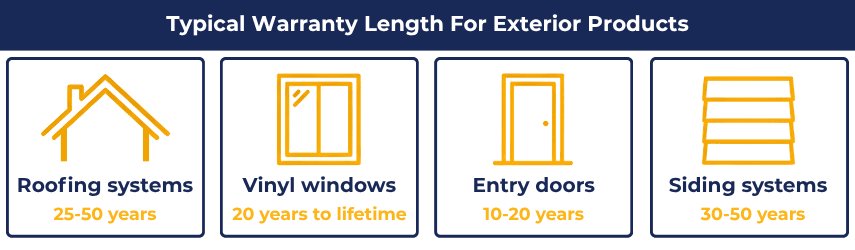
Exterior remodeling projects often include manufacturer warranties that protect homeowners for decades. Many of these warranties allow a transfer to the next homeowner.
If you are wondering, “Does a home warranty transfer when you sell your house?”, the answer often depends on the specific product installed.
Common examples include:
Roofing System Warranties. Many roofing manufacturers allow a one-time roof warranty transfer within a defined period, often within 60 days of a home sale.
Window Manufacturer Warranties. Window warranties frequently include transferable coverage. Some require a simple registration form submitted by the new homeowner.
Door And Siding Warranties. Transferability varies depending on the manufacturer, but many products allow a single ownership transfer.
Contractor Installation Guarantees. A transferable contractor warranty may cover workmanship issues after installation, although some installation guarantees apply only to the original homeowner.
These warranties provide long-term value because exterior systems (including roofing, windows, siding, and doors) often last decades when properly installed.
Why Transferable Warranties Matter When Selling A Home
Transferable warranties often influence buyer confidence more than homeowners expect.
Buyers see warranty protection as a signal that the home has been maintained properly and upgraded with quality materials.
A transferable home warranty or product warranty can provide several advantages:
Increased Buyer Confidence. Buyers gain reassurance when major systems or exterior components remain protected.
Reduced Future Risk. Coverage helps offset concerns about repair costs or replacement expenses.
Competitive Advantage. Homes with transferable warranties can stand out when buyers compare similar listings.
Proof of Professional Installation. Many manufacturer warranties require certified installation to remain valid.
Because of these factors, transferable warranties often become a helpful detail in real estate listings and home inspections.

Why Professional Installation and Strong Warranties Matter
Exterior systems such as roofing, windows, siding, and doors protect your home for decades. When homeowners invest in these upgrades, warranty protection becomes an important part of the decision.
Home warranties can transfer to a new owner in many situations, but the warranty remains valid only when homeowners follow the manufacturer’s rules and installation standards.
Professional installation plays a key role in keeping warranty coverage intact. Manufacturers often require certified contractors, proper documentation, and approved materials.
Experienced installers help homeowners protect that coverage over time. When exterior systems are installed correctly and backed by strong warranties, homeowners gain lasting protection and peace of mind.
At HomeFix, exterior remodeling projects are designed with long-term protection in mind. Installations are backed by strong manufacturer coverage and the UltraCare™ Lifetime Warranty, reinforcing the company’s commitment to homeowners and their investment in their home.
Choosing experienced professionals helps ensure your warranty protection remains valid, today and for the next homeowner. Contact us today for a free estimate.
FAQ
Are home warranties automatically transferred to a new owner?
Some home warranties transfer automatically during a home sale, but many require a formal transfer request and fee. Homeowners should review their warranty agreement to confirm the exact transfer process.
How much does it cost to transfer a home warranty?
Most providers charge a transfer fee between $25 and $100. The fee typically covers administrative processing and registering the new homeowner as the warranty holder.
Do roof warranties transfer to the next homeowner?
Many roofing manufacturer warranties allow a one-time transfer to the next homeowner. The transfer usually requires paperwork and must occur within a specific timeframe after the home sale.
Can you transfer a window manufacturer warranty?
Yes, many window warranties are transferable once. The new homeowner may need to register the transfer with the manufacturer within a set period after purchasing the home.
How long do you have to transfer a home warranty after selling?
Transfer windows vary by provider. Many warranties require the transfer request within 30 to 60 days after closing.
Do contractor workmanship warranties transfer?
Some workmanship warranties transfer, but many apply only to the original homeowner. The contractor’s warranty terms determine whether transfer is allowed.
Are transferable warranties valuable when selling a home?
Yes. Transferable warranties can increase buyer confidence and demonstrate that major home components were professionally installed and protected.
References
2-10 Home Buyers Warranty. (2025, July 2). Which seller concessions are most popular in 2025? https://www.2-10.com/blog/seller-concessions-popular-2025/
Choice Home Warranty. (n.d.). Homeowners user agreement. https://www.choicehomewarranty.com/user-agreement/
GAF. (2025). Warranty comparison guide (Document No. RESWT211-0425). https://www.gaf.com/en-us/document-library/documents/warranties/gaf-warranty-comparison-chart-reswt211.pdf
Guard Home Warranty. (2024, November 20). The impact of home warranties on home sales. https://www.guardhomewarranty.com/blog/the-impact-of-home-warranties-on-home-sales/
Investopedia. (n.d.). Home warranty: Meaning, qualifications, costs. https://www.investopedia.com/terms/h/home-warranty.asp
ProVia. (n.d.). ProVia warranties: Doors, windows, siding, stone, metal roofing. https://www.provia.com/warranty/



Contact Us

Monday-Friday: 8am-8pm
Saturday: 9am-5pm
Sunday: Closed
Monday-Friday: 8am-8pm
Saturday: 9am-5pm
Sunday: Closed
Monday-Friday: 8am-8pm
Saturday: 9am-5pm
Sunday: Closed
Monday-Friday: 8am-8pm
Saturday: 9am-5pm
Sunday: Closed
Monday-Friday: 8am-8pm
Saturday: 9am-5pm
Sunday: Closed
*Warehouse location only
Monday-Friday: 8am-8pm Saturday: 9am-5pm Sunday: Closed